
Oro Valley residents adopt sustainable pest control methods, led by pest control services Tucson naturally, to preserve local biodiversity and ecosystems. Integrated Pest Management (IPM) strategies, including biological, cultural, mechanical, and chemical methods, minimize synthetic pesticide use. Key practices involve encouraging beneficial insects, using organic repellents, proper plant selection, regular monitoring, and collaboration with agricultural experts. These eco-friendly approaches promote healthier gardens and contribute to the preservation of Oro Valley's natural beauty while reducing environmental impact.
In Oro Valley, as in many communities across the nation, maintaining beautiful gardens while minimizing environmental impact is a growing priority for residents. With traditional pest control methods often relying on toxic chemicals, there’s a pressing need for sustainable alternatives that protect both our health and the local ecosystem. This article delves into eco-conscious pest control practices tailored to Oro Valley gardens, exploring natural solutions and highlighting the importance of choosing safe, effective methods. By embracing these strategies, residents can enjoy thriving landscapes while contributing to a healthier Tucson environment, where pest control services must evolve to meet the needs of our changing world.
- Understanding Eco-Conscious Pest Management in Oro Valley
- Identifying Natural Solutions for Garden Pests
- Implementing Sustainable Practices: A Step-by-Step Guide
- The Role of Local Pest Control Services Tucson Naturally
Understanding Eco-Conscious Pest Management in Oro Valley

In Oro Valley, embracing sustainable and eco-conscious pest control practices is not just a trend but an essential step towards preserving the region’s unique biodiversity and protecting local ecosystems. This approach demands a shift from traditional chemical-heavy methods to more natural and environmentally friendly solutions. The key lies in understanding that pests are often symptoms of broader environmental imbalances, and addressing these root causes can lead to effective long-term management.
Oro Valley residents and gardeners can play an active role by adopting integrated pest management (IPM) strategies. IPM integrates biological, cultural, mechanical, and chemical methods to minimize the use of synthetic pesticides. For instance, promoting beneficial insects like ladybugs and lacewings that feed on pests can be highly effective in controlling populations naturally. Additionally, using organic repellents, such as garlic or pepper spray, can deter pests without causing harm to people or pets. These practices not only reduce environmental impact but also foster a healthier garden ecosystem.
Local pest control services Tucson naturally focus on these eco-conscious methods, offering tailored solutions for various garden pests. They employ professionals trained in identifying both pests and their natural predators, ensuring minimal interference with the balance of nature. Regular monitoring, clean-up practices, and cultural techniques form the backbone of these services. For instance, proper plant selection, adequate spacing, and organic mulching can significantly reduce pest attractions. By combining these methods, Oro Valley residents can achieve sustainable pest control while contributing to the preservation of their region’s distinctive natural beauty.
Identifying Natural Solutions for Garden Pests
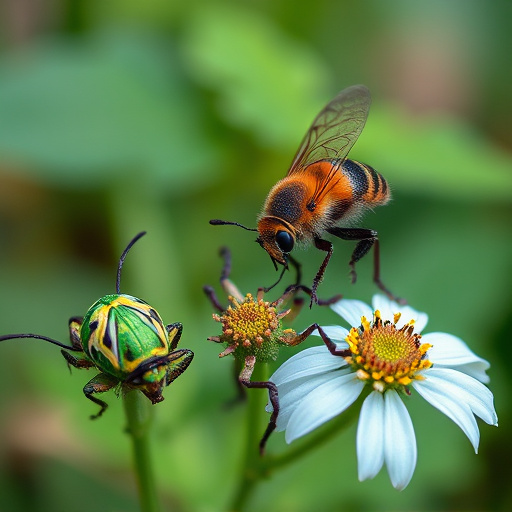
In the pursuit of sustainable gardening practices, Oro Valley residents increasingly seek eco-conscious alternatives for pest control services Tucson naturally offers. Identifying natural solutions for garden pests is a holistic approach that leverages the balance of ecosystems to manage invasive species. Instead of relying on synthetic chemicals, homeowners can employ beneficial insects like ladybugs and lacewings, which feed on aphids and other nuisances. Additionally, organic pesticides derived from plants such as neem oil or garlic offer effective control while minimizing environmental impact. These natural methods not only protect local ecosystems but also contribute to a healthier garden ecosystem by promoting biodiversity.
Research indicates that integrated pest management (IPM) strategies, which include biological, cultural, and chemical controls, can reduce the use of synthetic pesticides by up to 50%. For instance, using crop rotation and composting techniques can disrupt pest life cycles while enhancing soil fertility. Physical barriers like row covers and mechanical methods such as hand-picking can also be highly effective for controlling specific pests. Moreover, proper plant selection and placement based on each species’ natural habitat preferences can create a naturally resistant garden environment.
Practical implementation begins with regular monitoring to identify pest presence early. Homeowners should learn to recognize signs of common garden pests and their natural predators. Collaboration with local agricultural extension services or pest control companies specializing in eco-friendly solutions provides access to tailored advice and support. By adopting these natural strategies, Oro Valley gardeners can contribute to a more sustainable future while enjoying thriving, healthy gardens.
Implementing Sustainable Practices: A Step-by-Step Guide

Adopting sustainable pest control practices is not just an eco-friendly choice for Oro Valley residents; it’s a proactive step toward preserving the region’s unique biodiversity and ensuring long-term health of local ecosystems. By understanding and implementing these strategies, you contribute to a holistic approach to garden care that harmonizes with nature rather than against it. This guide offers a roadmap for transitioning to more sustainable pest management, focusing on methods that are both effective and environmentally considerate.
Start by assessing your garden’s specific needs and potential pest pressures. Regular monitoring is key; inspect plants frequently for signs of infestation or damage. Encourage natural predators like ladybugs, spiders, and birds by planting native species that provide habitat and food sources. For example, introducing beneficial insects such as lacewings or predator mites can effectively control certain pests without harmful chemicals. Consider companion planting strategies where specific herbs and flowers naturally deter common garden pests.
When issues arise, opt for eco-conscious solutions. Organic pesticides derived from natural ingredients like neem oil, diatomaceous earth, or insecticidal soap are safer alternatives to synthetic counterparts. These options target specific pests while minimizing harm to beneficial insects, birds, and other wildlife. For severe infestations, consider calling upon pest control services Tucson naturally focused companies that utilize integrated pest management (IPM) principles. IPM combines biological, cultural, physical, and chemical methods to manage pests in a manner consistent with the ecosystem’s capacity to resist them. Data suggests that IPM can reduce pesticide use by up to 50% while effectively controlling target pests.
Regular maintenance plays a crucial role in prevention. Keep your garden healthy through proper watering, mulching, and fertilization. Healthy plants are better equipped to withstand pest attacks and diseases. Remove plant debris and deadwood regularly as they serve as potential breeding grounds for pests. By combining these sustainable practices, you create an environment that promotes biodiversity, reduces the need for chemical interventions, and fosters a balanced ecosystem within your Oro Valley garden.
The Role of Local Pest Control Services Tucson Naturally

In Oro Valley, the pursuit of sustainable gardening practices is gaining momentum, with homeowners increasingly recognizing the environmental impact of traditional pest control methods. Among the local alternatives that are proving effective is the role of pest control services Tucson naturally. These services offer an eco-conscious approach, utilizing natural remedies and strategies to manage garden pests without resorting to harmful chemicals. For instance, some companies employ beneficial insects like ladybugs and lacewings to combat common garden pests, disrupting their life cycles while fostering a balanced ecosystem.
The benefits of pest control services Tucson naturally are multifaceted. Firstly, it minimizes the risk of environmental contamination by eliminating synthetic pesticides that can persist in soil and water bodies. Research indicates that many conventional pesticides have detrimental effects on non-target species, including beneficial insects, birds, and aquatic life. By adopting natural methods, Oro Valley residents can contribute to the preservation of local biodiversity. Furthermore, these services often provide tailored solutions, addressing specific pest issues while promoting the health and vitality of plants through organic fertilizers and soil amendments.
Practical implementation involves regular inspections to identify potential pests early. Experts from pest control services Tucson naturally can then recommend appropriate interventions, such as plant selection, cultural practices, and biological controls. For example, planting herbs like mint, basil, and lavender can deter insects naturally. Additionally, physical barriers like netting and traps can be employed. Homeowners should also encourage natural predators by fostering habitats that support beneficial wildlife, creating a harmonious garden ecosystem that requires less intervention.
By adopting sustainable and eco-conscious pest control practices, Oro Valley residents can protect their gardens while preserving local ecosystems. The article has provided a comprehensive guide, from identifying natural solutions to implementing step-by-step sustainable practices. Key takeaways include the importance of non-toxic methods, integrated pest management, and utilizing beneficial insects. Pest control services Tucson naturally offer a promising approach, harmonizing with the region’s unique biodiversity. Moving forward, homeowners are encouraged to collaborate with local experts, embrace preventive measures, and consider organic treatments for a healthier garden and environment. This holistic approach ensures a balanced ecosystem while effectively managing pests.